
Philadelphia, PA, plumbers explain when toilet repair or replacement is needed and how to prevent clogging.
Philadelphia, United States – April 29, 2026 / Plumbing Pals /
How to Better Care for a Home’s Toilets
Toilets serve as some of the hardest‑working fixtures in any home, yet many problems start small and go unnoticed until a messy backup or leak appears. Basic toilet care means watching for early symptoms that toilet replacement may be smarter than another quick fix, using good flushing habits to prevent a clogged toilet, and understanding how each fixture connects to buried sewer pipes. Taken together, these steps help keep bathrooms sanitary, protect surrounding surfaces from water damage, and reduce the risk of serious issues caused by an unseen clogged sewer line beneath the property.
Signs a Toilet Needs Repair or Replacement
 Toilets typically signal distress before failing entirely. Common signs that repairs are needed include constant running, water seeping around the base, or a handle that must be jiggled after nearly every flush. Frequent toilet clog problems, weak or incomplete flushes, or water that refills very slowly also point to worn internal parts or hidden obstructions. Any visible cracks in the tank or bowl demand prompt attention, since they can suddenly worsen into leaks. When a fixture needs repeated service calls, or when an older, inefficient model has been in place for more than a couple of decades, toilet replacement usually makes more sense than continuing to patch problems. In those cases, professional toilet installation can provide better performance and reliability while also reducing future maintenance needs.
Tips for Preventing Toilet Clogs
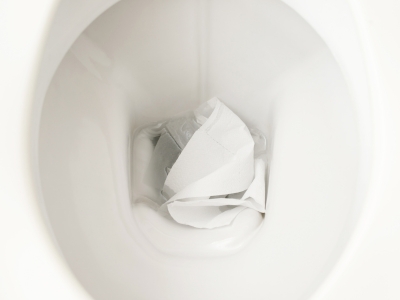 Many blockages start with items that were never meant to move through narrow toilet traps or sewer lines. Toilets are engineered to handle human waste and toilet paper only. To lower the risk of a clogged toilet, households should keep materials such as wipes, paper towels, dental floss, cotton swabs, feminine products, and cat litter out of the bowl. Even with proper materials, sending too much paper down at once can trigger a toilet clog or push debris farther along into connecting piping.
Using moderate amounts of paper and flushing a second time when necessary helps keep water flowing freely. Small children may need reminders that toys and other objects belong in the trash, not the toilet, to protect both the fixture and downstream plumbing.
How Sewer Lines Impact Toilets
Every toilet is connected to a network of drain pipes that ultimately empty into the main sewer lines. When those underground pipes develop a blockage or sewer line clog, symptoms often appear first in bathrooms. Multiple fixtures may drain slowly, toilets can bubble or gurgle after flushing, or sewage may back up into lower‑level tubs and floor drains. Flushing improper items, grease, or large clumps of paper can snag on rough sections inside sewer pipes and gradually form a clogged sewer line, even if the original flush seemed normal. Protecting main lines with good habits at each toilet reduces the chance of extensive sewer line repair and keeps the drainage system working smoothly.
About Plumbing Pals
Plumbing Pals is a trusted plumbing, heating, and cooling company proudly serving Philadelphia and the neighboring communities with efficient service from knowledgeable technicians. Call them today to get upfront pricing for clogged-toilet repair in Philadelphia, PA.


Contact Information:
Plumbing Pals
2424 E York St Suite 100-B,
Philadelphia, PA 19125
United States
Travas Marko
(267) 356-7282
https://plumbingpals.com/
