

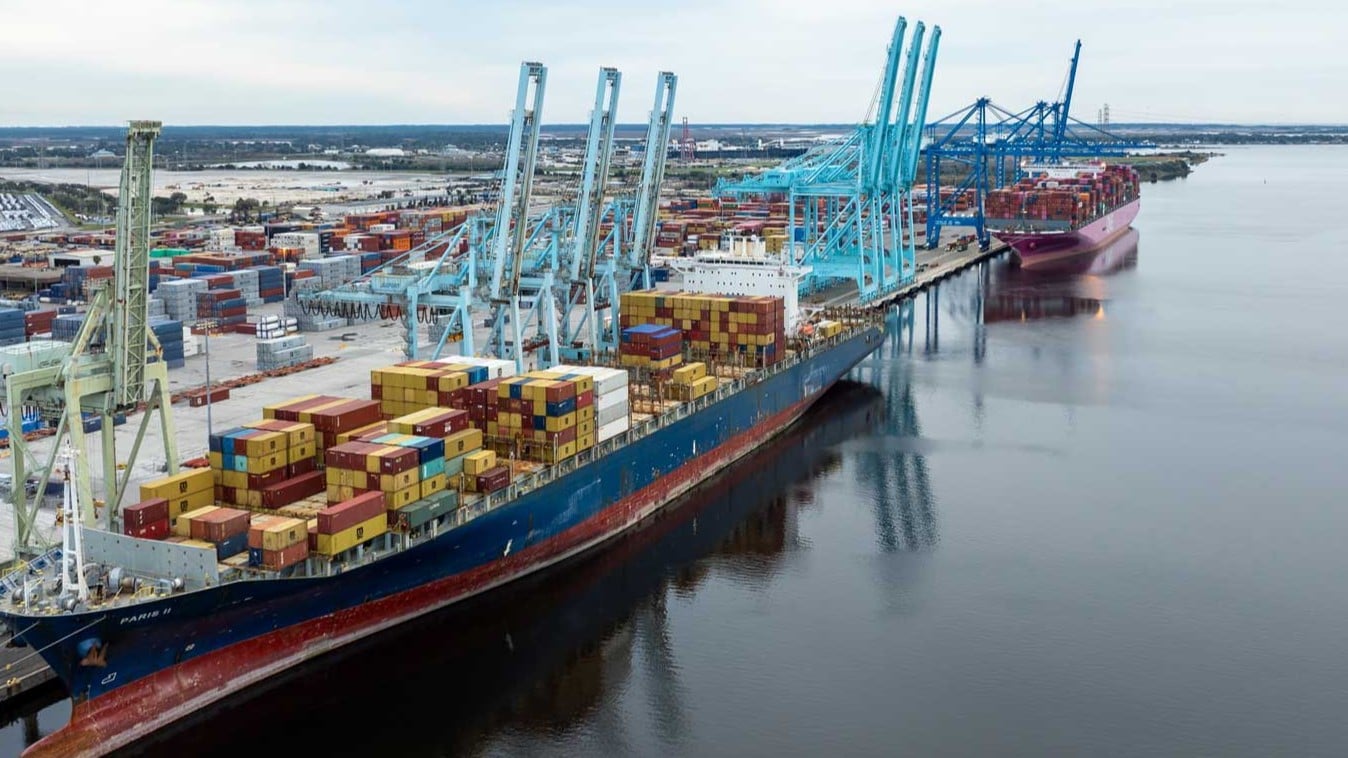
Freight forwarding coordinates international shipping when businesses can’t navigate the complexity alone. Most companies don’t think about this critical logistics function until something goes wrong—a container stuck at port, customs holding a shipment, or fees piling up without explanation.
Posey International released a comprehensive guide breaking down freight forwarding fundamentals for 2026, covering everything shippers need to understand about international logistics.
“The freight forwarding industry hit $216.47 billion globally in 2024,” according to the guide. “Supply chains keep getting messier. More regulations. More countries involved. More places where things break down.”
A freight forwarder doesn’t own ships, planes, or trucks. Instead, they arrange transportation, handle paperwork, clear customs, and solve problems when shipments encounter delays. Consider a typical scenario: forty pallets sitting in a factory in Guadalajara need to reach a warehouse in Michigan by the following Friday. This journey involves trucks, border crossings, customs clearance, possibly rail, and another truck. Multiple companies handle each segment, and any single partner can create delays.
The forwarder’s role is ensuring coordination—or fixing issues before clients even know problems exist.
Understanding the Differences
Carriers own equipment. Shipping lines operate vessels. Airlines own planes. Trucking companies own trucks. Freight forwarders own none of this. Instead, they book space on carrier equipment, negotiate rates, handle documentation, and coordinate handoffs between carriers. Most international shipments touch multiple carriers, creating coordination challenges that forwarders manage.
Customs brokers, licensed specialists, clear goods through U.S. Customs and Border Protection. They file entries, calculate duties, and ensure compliance. Freight forwarders arrange transportation. Some companies provide both services, reducing gaps where problems slip through.
The guide also explains NVOCC status—Non-Vessel Operating Common Carrier. Ocean freight forwarders holding NVOCC authority issue their own bills of lading and take direct responsibility for cargo during ocean transit. The Federal Maritime Commission licenses these operations and requires a $75,000 surety bond. That bond protects shippers if something goes wrong.
Not every forwarder holds NVOCC status. For ocean shipments, the distinction carries legal and liability implications.
2026 Logistics Landscape
The shipping environment continues evolving. Red Sea disruptions from Houthi attacks pushed carriers around the Cape of Good Hope starting late 2023, adding ten to fourteen days to Asia-Europe routes. Port labor uncertainties remain. New vessel deliveries are adding capacity while rates stay elevated compared to pre-COVID levels but below 2021-2022 peaks.
U.S.-Mexico trade reached $653 billion through September 2025, making Mexico the United States’ largest trading partner. Nearshoring drives growth as companies relocate production from Asia to Mexico, creating shorter supply chains and faster turnaround. The USMCA trade agreement faces its first mandatory review in 2026, introducing uncertainty around rules of origin and automotive content requirements.
Essential Documentation
International shipments require multiple documents. Bills of lading serve as contracts with carriers and sometimes documents of title. Commercial invoices describe transactions between buyer and seller—customs uses these to calculate duties. Packing lists itemize container contents. Certificates of origin document manufacturing locations and can unlock preferential treatment under trade agreements.
Incoterms determine responsibility at each stage. FOB, CIF, DDP, and EXW define who handles which obligations. Incorrect Incoterm selection creates liability for cargo appearing to be someone else’s responsibility.
Choosing the Right Partner
The guide emphasizes that relevant experience matters most. A forwarder moving auto parts daily may struggle with pharmaceuticals. Experience with specific product types and trade routes counts significantly. In-house customs capability reduces problems. Fewer gaps between vendors mean faster resolution when issues arise.
Shippers should verify credentials, ask about experience on specific routes, understand what quotes include versus extra costs, and obtain references from similar clients.
Posey International provides comprehensive freight forwarding services including ocean freight, air cargo, customs brokerage, project cargo, warehousing, and cross-border shipping across major U.S. ports and Mexico.
For more details, shippers can access the complete freight forwarding guide through Posey International’s freight forwarding services. Content strategy by Houston digital marketing agency ASTOUNDZ.
Posey International
110 Cypress Station Dr. Suite 108 Houston, TX 77090
Houston
Texas
77090
United States
